


Xenobiotics and Tactical Health: Protecting Firefighters from Hidden Toxins
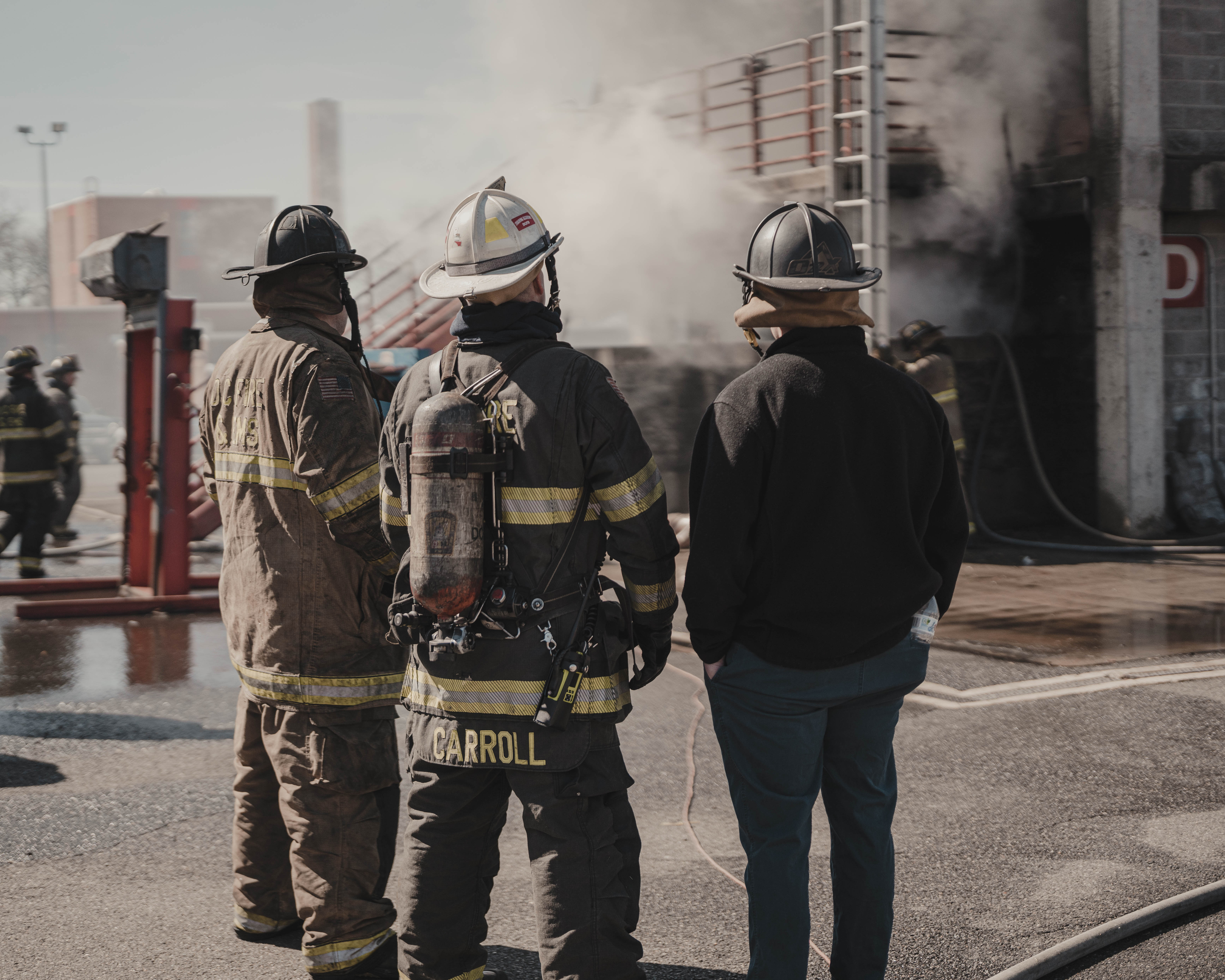
By Casey Calgren, O2X Integrated Specialist
What are xenobiotics?
Many firefighters, police officers, and military members have heard terms like heavy metals or PFAS (“Forever Chemicals”). These are just two examples within a much larger category of chemical substances known as xenobiotics - compounds not naturally produced by the body.
(Greek roots: xeno- “foreign,” and bios- “life”)
Importantly, not all xenobiotics are harmful. Many medications, targeted pharmaceuticals, and some supplements are technically “xenobiotic” because they are not naturally found in the human body. However, in the context of tactical and first-responder populations, xenobiotics generally refer to harmful or potentially harmful substances encountered through occupational exposures.
Why are xenobiotics relevant for tactical populations?
Tactical populations - including police officers, firefighters, EMS, and military personnel - face significantly higher exposure rates than the general population. Smoke, combustion products, building materials, solvents, fuels, contaminated gear, and operational environments create a constant exposure cycle, making these groups uniquely vulnerable.
- Firefighters - combustion byproducts, flame retardants, building materials, PPE off-gassing, diesel exhaust and firehouse contaminants
- Police - firearm discharge residues, solvents used in field tests, gear, uniform, vehicle contaminants, narcotics and synthetic opioid particulates
- Military - fuels (JP-8), lubricants, burn pits and open-air waste combustion, metals, munitions, explosives, treated uniforms and gear
These exposures pose cumulative long-term health risks, which is why understanding xenobiotics is increasingly emphasized by occupational medicine, NIOSH, NFPA, IARC, DoD research groups, and professional organizations supporting firefighter wellness.
Major Xenobiotic Categories
Xenobiotics are typically grouped into several categories based on the source. Listed below are the categories, compounds, sources, and biological systems affected.
Environmental Pollutants - persistent compounds in air, water, soil, and food from industrial processes and waste.
- Dioxins and Furans - combustion byproducts; disrupt hormones and immune signaling via AHR pathways
- PCBs - historically used industrially; stored in fat tissue for decades
- Heavy Metals
- Lead - old paint, contaminated soil, ammunition; neuro- and cardiotoxic
- Cadmium - cigarette smoke, batteries; kidney and bone toxicity
- Mercury - industrial pollution, certain fish; neurotoxin, disrupts detox enzymes
- Arsenic - contaminated groundwater, rice, treated lumber; carcinogenic
- Microplastics/Nanoplastics - Inhaled or ingested; oxidative stress and inflammation
Industrial Chemicals - common in manufacturing, construction, and firefighting environments
- Solvents
- Benzene - fuels, fires; hematotoxic and carcinogenic
- Toluene, Xylene, Styrene - paints, sealants, adhesives; neuro- and hepatotoxic
- Flame Retardants
- PBDEs - dust and gear; thyroid disruption, fertility issues
- OPFRs - replacements for PBDEs; neuro- and hepatotoxic potential
- PFAS (“Forever Chemicals”)
- PFOA, PFOS, GenX - turnout gear, AFFF, contaminated water; linked to cancer, immune suppression, thyroid disruption
- Volatile Organic Compounds (VOCs) - formaldehyde, acetaldehyde, TCE; inhaled during fires and gear off-gassing
Combustion Byproducts - released anytime organic and synthetic materials burn
- PAHs - incomplete combustion; carcinogenic and mutagenic
- Carbon monoxide - hypoxic injury and oxidative stress
- Hydrogen cyanide - burning plastics and synthetics; interferes with cellular respiration
- Particulate matter (PM2.5/PM10) - deep lung penetration; systemic inflammation
- Formaldehyde, Acrolein - airway irritants; carcinogens
- Nitrogen & Sulfur oxides - respiratory and cardiovascular damage
Pharmaceuticals - non-endogenous compounds encountered via contaminated environments
- Anesthetic gases (Isoflurane) - poorly ventilated medical or hazmat scenes
- Antibiotic residues in food or water
- Opioid and fentanyl particulate contamination
- Hormone disruptors - contaminated water systems
Food Additives and Contaminants - intentionally or unintentionally added during food production, storage, or packaging
- Additives - artificial colors (Red 40), preservatives (BHA, BHT), emulsifiers, flavor enhancers (MSG)
- Contaminants
- BPA - plastics, can linings; endocrine disruptor
- Phthalates - plasticizers; reproductive effects
- Pesticides - organophosphates, carbamates; neurotoxic
- Mycotoxins - mold toxins (aflatoxin, ochratoxin A); hepatotoxic
Health Effects
Many xenobiotics are lipophilic (fat-soluble), persistent, and bioaccumulative. Firefighters have been shown to have elevated levels of PAHs, Benzene, PFAS, flame retardants, dioxins, and heavy metals. Research in recent years (NIOSH, IARC, NFPA, ATSDR) has linked chronic exposure to these compounds with:
- Increased risk of cancer
- Cardiovascular disease
- Endocrine disruption
- Decreased recovery capacity
- Thyroid dysfunction
- Neurological effects
- Impaired immune function
- Reduced fertility/testosterone
- Chronic inflammation
- Mitochondrial dysfunction
With these effects often emerging silently over years or decades.
Exposure Routes & Toxicity Determinants
The most common routes of exposure include - inhalation, dermal absorption, and ingestion. Being absorbed into the bloodstream and distributed to various tissues throughout the body. Toxicity depends on three factors; 1) Dose, 2) Duration & Frequency, 3) Individual susceptibility (genetics, nutrition, stress, hydration, sleep). Firefighters often experience repeated low-level exposures that compound over the course of a career - making cumulative dose a central concern.
Biotransformation & Elimination
The body treats xenobiotics as "foreign invaders” and uses biotransformation, the metabolic process of converting compounds into more easily excretable forms, to detoxify and facilitate elimination. This process involves many systems (intestines, kidneys, lungs, skin) but primarily takes place in the liver. With elimination pathways including urine, bile, feces, and sweat.
However, many of these compounds have extremely long half-lives (the rate of elimination of a substance), often measured in years. This means that, 1) exposures accumulate, 2) the detoxification system can become chronically taxed, and 3) nutrition, stress, sleep, and hydration become paramount to ensure our detox system is functioning optimally.
Example: PFAS have a half-life of 3-8 years. Meaning, after 3-8 years from exposure, 50% of the original amount is detectable. After another 3-8 years 25% will still be detectable, and so on. Given that many xenobiotic half-lives are extremely long and tactical personnel are routinely exposed, there is considerable cause for concern of an overload of our natural detoxification systems.
How Nutrition Supports Xenobiotic Processing
Diet cannot “detox” someone from high-dose chemical exposure, but it significantly influences the efficiency of the systems responsible for biotransformation and elimination.
Key Nutrients in Detoxification and Protection
Antioxidants - reduce xenobiotic-induced oxidative stress
- Vitamin C - citrus, peppers, berries
- Vitamin E - nuts, seeds, olive oil
- Polyphenols - berries, coffee, tea, dark chocolate
- Carotenoids - carrots, leafy greens, tomatoes
Cofactors for Detox Enzymes - critical for cytochrome P450 and Phase II pathways:
- B vitamins
- Magnesium, Zinc, Iron
- Amino acids - glycine, cysteine, methionine
Food sources include:
- Meat, eggs, poultry
- Legumes
- Leafy greens
- Whole grains
- Nuts and seeds
Glutathione Support - glutathione is one of the body’s most important endogenous antioxidants
- Protein - adequate intake (especially cysteine-rich foods - poultry, fish, eggs, beef, pork)
- Whey protein
- Allium and cruciferous vegetables
Hydration & Electrolytes - necessary for renal elimination of xenobiotic metabolites
- Dehydration = reduced clearance of toxins
Dietary Fiber - promotes binding and elimination of transformed xenobiotics in the GI tract
- Commonly under-consumed, slowing excretion
Anti-inflammatory dietary patterns - mediterranean-style diets high in fruits, vegetables, legumes, olive oil, seafood, and whole grains reduce systemic inflammation associated with toxic exposures.
Fireground Specific Nutrition Practices: Pre/Post Exposure
Pre-Incident
- Hydrate before and during shift
- Maintain good electrolyte balance
- Consume antioxidant rich foods
- Avoid ultra-processed foods that can add xenobiotic burden
- Support gut integrity - avoid going on shift fasted
Post-Incident
Firefighters experience a “toxic window” post-fire when skin absorption is elevated due to heat, sweat, and vasodilation
Strategic post-incident recovery can support detox efficiency:
- Immediate rehydration + electrolytes
- Protein to support glutathione and tissue repair
- Fruits/vegetables for antioxidant support
- Soluble and insoluble fiber to enhance GI elimination
- Avoid alcohol for ~24 hours as it impairs detox enzymes
Non-Nutritional Strategies to Reduce Toxic Load
1. PPE Use and Maintenance
- Full SCBA use through overhaul
- Routine gear laundering
- Clean cab policies
- Avoiding gear inside living quarters
2. Gross & Technical Decon
- On-scene wipe-downs
- Wet decon
- Immediate post-fire showers
- Clean uniform/clothes changes
3. Stress Management
- Chronic stress impairs detox efficiency, increases inflammation, and elevates cortisol
4. Physical Activity & Sweat Based Elimination
- Cardiovascular training
- Strength training
- Heat exposure - sauna
*Sweat is not a major detox route compared to liver/kidneys, but it does excrete meaningful amounts of certain compounds*
- Can be: some heavy metals, BPA, Phthalates, some flame retardants (PBDEs), some pesticides, VOC metabolites, small organic pollutants (PAH)
- Cannot be: PFAS, Dioxins & Furans, PCBs, some flame retardants (OPFRs), micro & nanoplastics, formaldehyde, carbon monoxide, hydrogen cyanide
5. Sleep
- Regulates detoxification gene expression and hormone balance
6. Biomonitoring
- Annual physicals, PFAS testing where available, cardiovascular screening, and occupational health tracking
Conclusion
Firefighters operate in environments where xenobiotic exposure is an unavoidable hazard. Understanding what xenobiotics are, how they affect the body, and what long-term risks they pose allows individuals and departments to adopt proactive strategies.
While diet and hydration alone cannot eliminate exposure, they meaningfully support the biological processes responsible for detoxification, recovery, and resilience. When paired with proper PPE practices, effective decontamination practices, stress management, sleep optimization, and routine medical monitoring, tactical personnel can significantly reduce the health burdens associated with chronic chemical exposure.
Protecting firefighters and all tactical professionals requires a coordinated and integrated approach–operational, medical, nutritional, and behavioral. Applying the science keeps first responders safer, healthier, and more resilient.
References
- Beitel SC, Flahr LM, Hoppe-Jones C, Burgess JL, Littau SR, Gulotta J, Moore P, Wallentine D, Snyder SA. Assessment of the toxicity of firefighter exposures using the PAH CALUX bioassay. Environment International. 2020;135:105207. doi:10.1016/j.envint.2019.105207.
- Hoppe-Jones C, Griffin SC, Gulotta JJ, Wallentine DD, Moore PK, Beitel SC, Flahr LM, et al. Evaluation of fireground exposures using urinary PAH metabolites. Journal of Exposure Science & Environmental Epidemiology. 2021. doi:10.1038/s41370-021-00311-x.
- Hwang J, (and colleagues). Urinary metabolites of polycyclic aromatic hydrocarbons in firefighters: a systematic review and meta-analysis. International Journal of Environmental Research and Public Health. 2022;19(14):8475. doi:10.3390/ijerph19148475.
- Fent KW, Mayer AC, Toennis C, Sammons D, Robertson S, Chen I-C, Bhandari D, Blount B, Kerber S, Smith DL, et al. Firefighters’ urinary concentrations of VOC metabolites after controlled-residential and training fire responses. International Journal of Hygiene and Environmental Health. 2022;242:113969. doi:10.1016/j.ijheh.2022.113969.
- Burgess JL, Hoppe-Jones C, Griffin SC, Zhou JJ, Gulotta JJ, Wallentine DD, Moore PK, Valliere J, Littau SR, Snyder SA, et al. Evaluation of interventions to reduce firefighter exposures. Journal of Occupational and Environmental Medicine. 2020;62(4):279–288. doi:10.1097/JOM.0000000000001815.
- Beane-Freeman LE, Daniels RD, DeBono NL, Demers PA, Driscoll T, Filho AM, Glass DC, Graber JM, Hansen J, Kirkham T, Kjaerheim K, Kriebel D, Schubauer-Berigan M, Stayner L, Teras LR, Wedekind R (and collaborators). Firefighting and Cancer: a meta-analysis of cohort studies in the context of cancer hazard identification. (IARC/consensus meta-analysis work; 2023) — meta-analysis used in IARC evidence synthesis. (See IARC meta-analysis summary and report).
- Park J-S, Voss RW, McNeel S, Wu N, Guo T, Wang Y, Israel L, Das R, Petreas M. High exposure of California firefighters to polybrominated diphenyl ethers. Environmental Science & Technology. 2015;49(5):2948–2958. doi:10.1021/es5055918.
- Daniels RD, Bertke S, Dahm MM, Yiin JH, Kubale TL, Hales TR, Baris D, Zahm SH, Beaumont JJ, Waters KM, Pinkerton LE. Exposure–response relationships for select cancer and non-cancer health outcomes in a cohort of US firefighters (San Francisco, Chicago, Philadelphia), 1950–2009. Occupational & Environmental Medicine. 2015;72:699–706. doi:10.1136/oemed-2014-102671.
- Mayer AC, Fent KW, Chen I-C, Sammons D, Toennis C, Robertson S, Kerber S, Horn GP, Smith DL, Calafat AM, Ospina M, Sjödin A. Characterizing exposures to flame retardants, dioxins, and furans among firefighters responding to controlled residential fires. International Journal of Hygiene and Environmental Health. 2021;236:113782. doi:10.1016/j.ijheh.2021.113782.
- Levasseur JL, Hoffman K, Herkert NJ, Cooper E, Hay D, Stapleton HM. Characterizing firefighters’ exposure to over 130 SVOCs using silicone wristbands: a pilot study comparing on-duty and off-duty exposures. Science of The Total Environment. 2022;834:155237. doi:10.1016/j.scitotenv.2022.155237.
- Beitel S.C., Flahr L.M., Hoppe-Jones C. (linked studies) PAH exposure biomonitoring and toxicity assessment in firefighters — (related biomonitoring work showing dermal and urinary uptake after controlled fires). See Environment International / related publications (2020).
- Furlong MA, et al. Evaluating changes in firefighter urinary metabolomes after live-fire training and duties.Scientific Reports. 2023;13: (example metabolomics work contextualizing systemic metabolic changes).
- Kouda, K., & Iki, M. (2010). Dietary antioxidants and health outcomes: Evidence from epidemiological studies.Environmental Health and Preventive Medicine, 15(1), 1–8.
A frequently cited review connecting antioxidant-rich diets (berries, leafy greens, crucifers, vitamin C/E foods) with reduced oxidative stress—relevant to xenobiotic burden. - Gupta, R. C., Srivastava, A., Lall, R., et al. (2020). Nutraceuticals in detoxification: Modulatory effects on xenobiotic metabolism and oxidative stress. Toxicology Reports, 7, 628–640.
Discusses nutrients and foods that support hepatic detoxification (sulfur-rich vegetables, flavonoids, glutathione precursors). - Schwarzenberg, S. J., & Georgieff, M. K. (2018). Nutrition and toxicant exposure: Associations with metabolic risk.Pediatrics, 141(2), e20171722.
Explores how diet modulates toxicant absorption, metabolism, inflammation, and oxidative stress—including antioxidants, fiber, and micronutrients. - Lambert, J. D., & Elias, R. J. (2010). The antioxidant and pro-oxidant activities of polyphenols: Implications for health and disease. Chemical Society Reviews, 39(8), 2373–2387.
Provides mechanistic detail on phytonutrient function, oxidative stress reduction, and detox support—key to the nutrition section. - Kasi, P. D., Tamilselvam, R., Skalicka-Woźniak, K., et al. (2015). Molecular mechanisms of curcumin and its role in detoxification. Environmental Toxicology and Pharmacology, 39(3), 1409–1416.
Professional Organizations & Government Reports
- IARC Working Group. Volume 132: Occupational exposure as a firefighter. IARC Monographs on the Identification of Carcinogenic Hazards to Humans. 2023. (IARC classified “occupational exposure as a firefighter” as Group 1: carcinogenic to humans).
- National Institute for Occupational Safety and Health (NIOSH). Fire Fighter Cancer Study / Findings from a study of cancer among U.S. firefighters. NIOSH/CDC fact sheets and study materials (large cohort studies / ongoing surveillance). (2013 onward; study outputs and briefs).
- National Fire Protection Association (NFPA). Standards relevant to firefighter health & contamination management: NFPA 1500 (Fire Department Occupational Safety & Health Program), NFPA 1582 (Comprehensive Occupational Medical Program), NFPA 1851 (Selection, Care & Maintenance of Protective Ensembles). (Standards and guidance documents).
- U.S. Environmental Protection Agency (EPA). PFAS Action Plan (EPA, Feb 2019) and follow-up work on PFAS measurement and regulation (PFAS are a central occupational concern for firefighters due to turnout fabrics and foam uses).
- Agency for Toxic Substances and Disease Registry (ATSDR). Toxicological Profiles and Substance Priority List.(Authoritative, peer-reviewed toxicological syntheses for individual xenobiotics like benzene, dioxins, PCBs, PFAS, heavy metals).
- National Toxicology Program (NTP), NIEHS. Technical reports & reviews on flame retardants and other environmental toxicants (e.g., NTP TR on PBDEs/DE-71; ongoing hazard evaluations).
- U.S. Centers for Disease Control and Prevention (CDC) / NIOSH. Health Hazard Evaluation (HHE) reports and fireground exposure investigations. — these HHEs and NIOSH research summaries provide operationally relevant exposure findings and recommendations.
- U.S. Environmental Protection Agency (and WHO) & WHO/FAO guidance on dioxins/PCBs and other persistent organic pollutants (WHO guidance on dioxins and PCBs, and EPA/CDC pages summarizing health effects and exposure routes).
References:
- Brown, R. P., & Gerbarg, P. L. (2005). Sudarshan Kriya yogic breathing in the treatment of stress, anxiety, and depression: Part I—Neurophysiologic model. Journal of Alternative and Complementary Medicine, 11(1), 189-201.
- Lehrer, P. M., & Gevirtz, R. (2014). Heart rate variability biofeedback: How and why does it work? Frontiers in Psychology, 5, 756.
- Nestor, J. (2020). Breath: The new science of a lost art. Riverhead Books.
- Farhi, D. (1996). The breathing book: Good health and vitality through essential breath work. Henry Holt and Company.
- Rothenberg, R. L. (2019). Restoring prana: A therapeutic guide to pranayama and healing through the breath. Handspring Publishing.
About O2X Integrated Specialist Casey Calgren:
Casey Carlgren is an O2X On-Site Human Performance Specialist specializing in Nutrition for the City of Berkeley Public Safety. As a Registered Dietitian, he leverages his expertise to help tactical professionals optimize their health and performance through tailored nutrition strategies. Casey is passionate about empowering individuals to achieve their goals by integrating evidence-based nutritional guidance with a practical, sustainable approach.Before joining O2X, Casey built a diverse foundation of experience in both clinical and sports nutrition. He worked at EXOS in Frisco, TX, where he supported collegiate football athletes preparing for the NFL combine, as well as professional NFL players. Following this, Casey served as a consultant dietitian with Nutritious Lifestyles, providing clinical services and quality assurance audits for long-term care and skilled nursing facilities in the Dallas-Fort Worth area. His journey in nutrition began after serving in the Marine Corps, where he provided security at Camp David and the U.S. embassy in Yemen.Casey holds a Bachelor’s degree in Dietetics from Iowa State University, a Master’s in Nutrition and Dietetics from the University of Kansas Medical Center, and advanced graduate training in sports nutrition from Florida State University, where he also completed his dietetic internship. A lifelong athlete with experience in track and field, wrestling, CrossFit, powerlifting, and ultra-endurance racing, Casey combines his personal passion for fitness with his professional expertise. In his free time, he enjoys gardening, blending his love for food, nutrition, and health into a fulfilling lifestyle.