


Postpartum Exercise: To Wait Six Weeks, or Not?
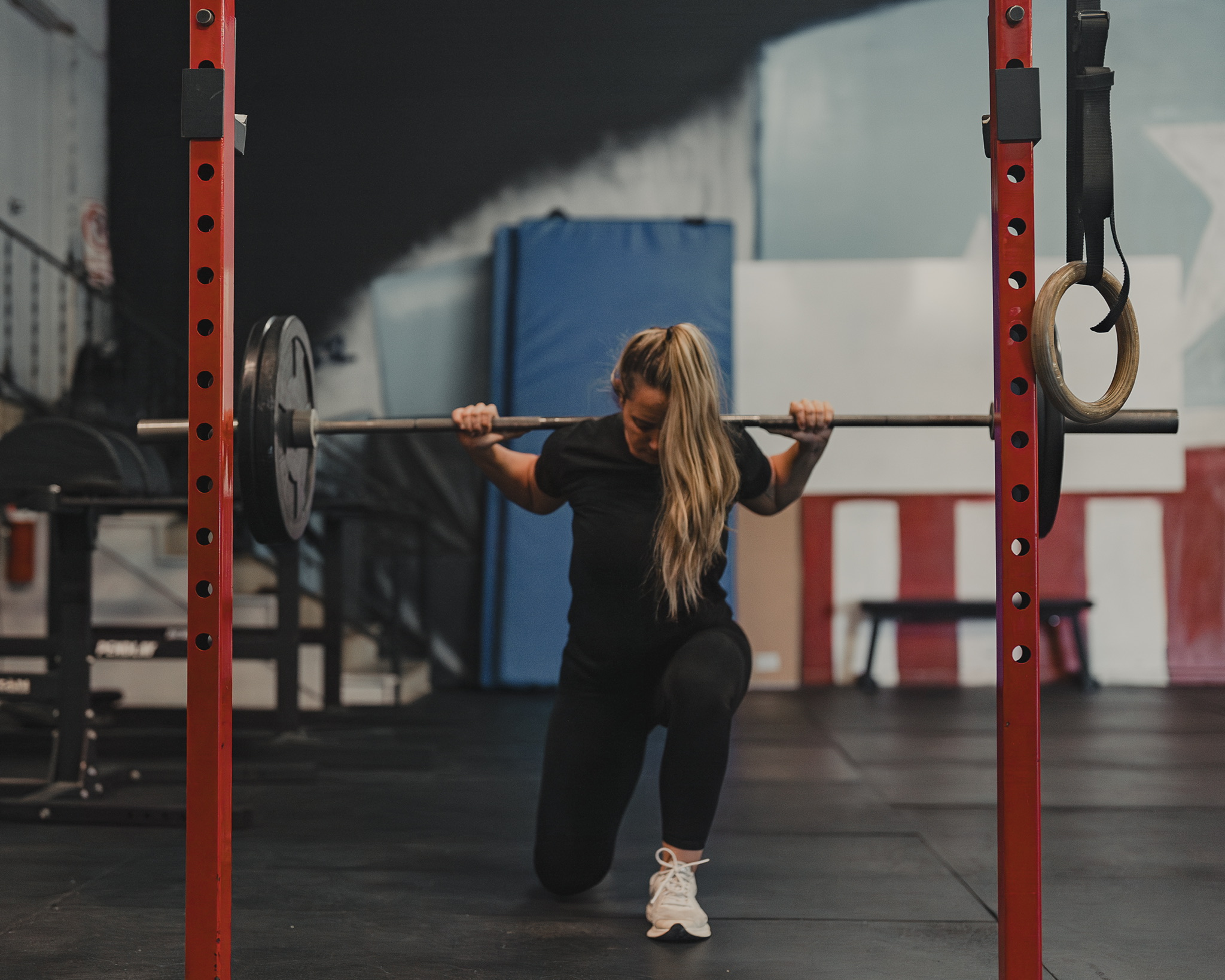
By Ryan Reynolds, O2X Instructor
Disclaimer: This is for educational purposes only and is not medical advice. Medical clearance is recommended prior to participation. Stop training and consult a healthcare professional if symptoms arise or worsen. Always consult with a physician, pelvic health physical therapist, or qualified medical provider before beginning or modifying exercise during pregnancy or the postpartum period.
The Case for Early Postpartum Movement in Women Returning to Duty
For decades, postpartum recovery has been framed around a single milestone: the six-week clearance. While well intentioned, this timeline-driven approach often oversimplifies a complex physiological process, especially for women in tactical professions who will be expected to return to physically demanding work.
The reality is this: postpartum recovery is not a deadline-driven process, rather it is a deeply personal experience. Assigning rigid timelines to healing can be misleading and, at times, counterproductive. Some women feel pressured to return to training before they are ready, while others feel behind or defiant for wanting, or needing to move sooner. Neither experience serves the long-term health or readiness of the tactical athlete.
The better question is not when a woman can return to movement, but how.
Postpartum Is Rehabilitation, Not Rest Alone
Regardless of delivery type, pregnancy and birth create real tissue change. Muscles, connective tissue, organs, and the nervous system are all stressed, stretched, and displaced. Healing requires both time and intention.
Early postpartum is best understood as a rehabilitation phase—one focused on restoring coordination, circulation, and confidence in movement. This does not mean jumping back into high-intensity training. It means reintroducing purposeful, low-level movement that supports healing and lays the foundation for future performance.
For women returning to fire, law enforcement, or military duty, this foundation matters. These roles demand load carriage, awkward lifting, prolonged standing, rapid transitions, and movement under fatigue. A rushed or passive postpartum recovery increases the risk of lingering symptoms that can compromise both performance and longevity.
Early Movement Does Not Mean “Exercise”
Early postpartum movement is often misunderstood as “working out.” In reality, it looks more like:
- Breathwork that restores diaphragm and pelvic floor coordination
- Gentle mobility to promote circulation and reduce stiffness
- Low-level activation of core and hip musculature
- Gradual reintroduction to upright posture and walking
These movements can begin days, not weeks after birth, when appropriate, and are guided by symptoms rather than the calendar.
Some women may feel ready to begin intentional movement shortly after delivery. Others may need more time. Both are valid. The key is an individualized, responsive approach.
Why Waiting Can Be Just as Problematic
Complete inactivity in the early postpartum period can also create challenges. Prolonged rest without intentional movement may contribute to deconditioning, poor motor control, and fear around movement, especially for women who identify as strong, capable, and physically competent.
For tactical athletes, this disconnect can make the eventual return to training feel abrupt and overwhelming. Early, intentional movement helps bridge the gap between birth and the physical demands of duty by maintaining neuromuscular connection and reinforcing confidence in the body.
A Rehab-First Mindset
A successful postpartum return to duty is built on a rehab-first mindset. This approach prioritizes quality over intensity and views symptoms as information, not failure.
Common red flags that signal the need to pause or regress include:
- Pain during or after movement
- Pelvic pressure or heaviness
- Increased or persistent bleeding
- Urinary, bowel, or gas incontinence
- Abdominal bulging or visible prolapse
When these symptoms appear, the appropriate response is not to push through, but to adjust and seek support—ideally from a pelvic health physical therapist. These symptoms are information, NOT a failure! It’s our bodies asking for something–rest, better breath and pressure control, shorter range of motion, or a different approach.
Building Forward, Not Bouncing Back
Returning to movement postpartum is not about “bouncing back.” It is about rebuilding capacity, restoring function, and preparing the body for the real demands of work and life. Early postpartum movement, when done intentionally, creates a resilient foundation for later strength, conditioning, and impact. It supports a safer and more efficient return to lifting, running, and operational tasks while reducing the risk of persistent dysfunction. For women returning to duty, this approach respects both the physiological reality of healing and the professional reality of their jobs. When we move away from arbitrary timelines and toward individualized, progressive rehabilitation, we set tactical mothers up not just to return—but to return strong, capable, and confident.
bout O2X Instructor Ryan Reynolds:
Ryan Reynolds is a firefighter-paramedic, Olympian, strength and conditioning coach, and first-time mom. She currently serves with the Orange County Fire Authority where she is a peer fitness instructor and peer support member. In these roles, she coaches and educates firefighters on performance, injury prevention, and career longevity and is trained to prevent or mitigate the development of post traumatic stress following traumatic job-related responses. A former professional rugby player who represented the United States at the 2016 Olympic Games, Ryan brings extensive experience in high-performance training and recovery. She is the the owner and head coach of Built Different Mamas, where she designs evidence-based pregnancy and postpartum strength programs for women returning to duty in fire, law enforcement, and military roles. Her programming bridges performance, motherhood, and service—meeting women exactly where they are, and helping them return to duty strong, capable, resilient and confident. When not working or training, Ryan enjoys spending time with her family at the beach, spoiling her goldendoodle, traveling, golfing, and jiu jitsu.